Source TSI Engine Intake Manifold Cover for cars, trucks, and SUVs
Compare 30 listings for the TSI Engine Intake Manifold Cover from verified Chinese suppliers. Options include OEM services, various materials like iron and plastic, and delivery times ranging from 5 to 30 days for replacement or repair needs.
Key considerations
Products List









Comprehensive Sourcing Guide
Strategic Sourcing Guide for TSI Engine Intake Manifold Covers
Procuring replacement components for turbocharged stratified injection (TSI) engines requires a rigorous approach to ensure compatibility, durability, and performance integrity. The intake manifold cover is a critical assembly that seals the upper section of the intake system, protecting internal passages from debris while maintaining precise airflow dynamics. For buyers operating in the global B2B market, the distinction between generic aftermarket parts and OEM-equivalent components is paramount. This guide synthesizes observed market data and technical attributes to provide a framework for evaluating suppliers and products, specifically focusing on the nuances of sourcing covers for TSI applications.
Technical Specifications and Material Composition
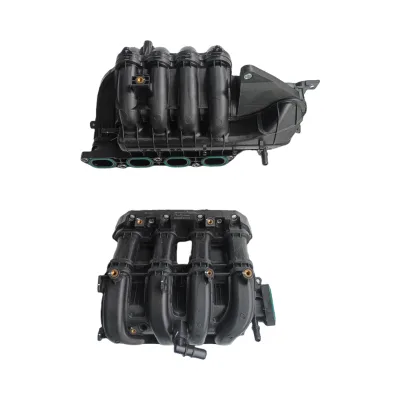
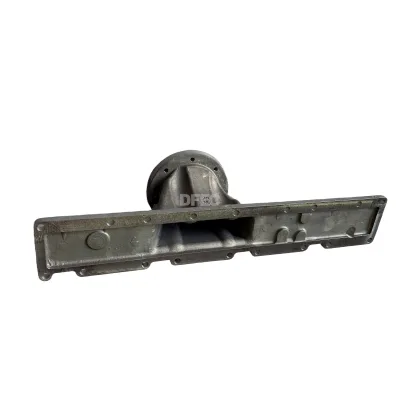
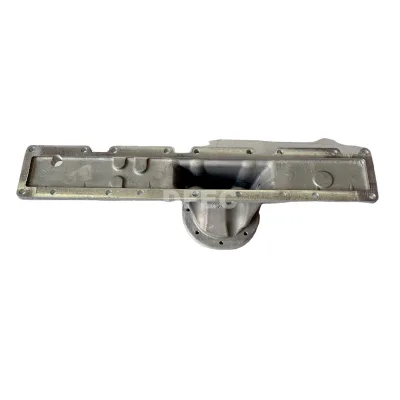
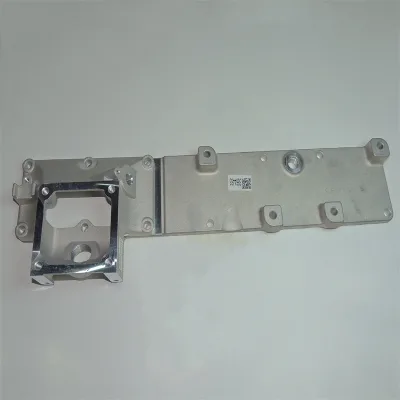
The fundamental integrity of an intake manifold cover depends heavily on the material selected and the manufacturing process employed. Market observations indicate a divergence in material choices, with iron cast parts and plastic variants both present in the supply chain. For applications requiring high thermal resistance and structural rigidity, iron cast parts utilizing thermal gravity casting are a primary option. These components often undergo a specific process chain involving casting, followed by necessary machining and surface polishing to ensure a perfect fit. The standard for such parts often references DIN specifications, ensuring dimensional consistency across batches.
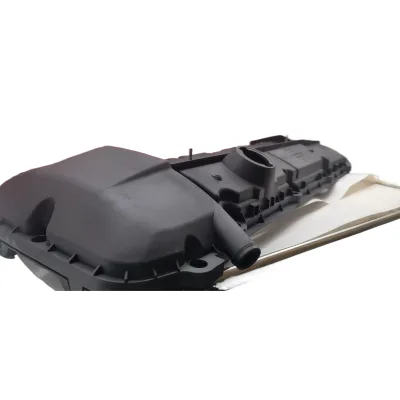
Conversely, plastic variants are also available, offering weight reduction benefits which are critical for modern engine efficiency. When evaluating technical specifications, buyers must verify the specific model number associated with the TSI engine variant. Observed data highlights specific OEM numbers such as 06J133201AL, 06J133201AS, and 06J133201BH, which correspond to distinct engineering revisions. The presence of these specific identifiers is a strong indicator of a part designed for precise fitment rather than a universal generic substitute. Furthermore, the placement of the component is critical; for TSI engines, the cover is typically situated near the automobile front grille or in a position that integrates with the adjustable air inlet systems. The air inlet itself may feature two-dimensional adjustability and external pressure characteristics, necessitating a cover that maintains seal integrity under varying pressure conditions.
Compliance, Certification, and Quality Standards
Navigating the certification landscape is essential for mitigating liability and ensuring product reliability. The supply chain for these components often cites ISO 9001 as a baseline quality management standard, though buyers must verify the specific validity of these certificates for the manufacturing entity. Additional observations include references to ISOTS classifications and ISOCE, which may relate to specific industry sectors or testing protocols. However, the presence of a certification label does not automatically guarantee compliance for every listed product; it serves as an observation of the supplier's claimed capabilities.
Buyers should prioritize suppliers who can demonstrate adherence to rigorous standards such as DIN for manufacturing tolerances. The standard for the product itself is often "As drawing," meaning the final part must match the engineering blueprint provided by the original equipment manufacturer. This requirement underscores the importance of verifying that the supplier possesses the capability to produce to exact specifications rather than relying on loose tolerances. While some background knowledge suggests Reach compliance, this should not be assumed without explicit documentation from the supplier. The primary verification step involves requesting current, valid certificates that cover the specific batch of goods being procured.
Cost Drivers and Pricing Dynamics
The pricing structure for TSI engine intake manifold covers is influenced by several variables, including material type, production volume, and customization requirements. Observed market data reveals a wide price range, with unit costs fluctuating between 5 and 489 USD. This significant variance is not arbitrary but reflects the complexity of the part and the level of customization involved. Lower-cost items often correspond to standard plastic components or basic iron castings with minimal machining. In contrast, higher-priced items typically involve complex machining, specialized surface treatments like polishing, and strict adherence to OEM drawing standards.
Minimum Order Quantity (MOQ) is another critical cost driver. The market shows an MOQ range from 1 piece to 300 pieces. Suppliers offering an MOQ of 1 piece are often catering to small-scale repair shops or emergency procurement needs, which may carry a premium per unit. Bulk orders, particularly those approaching the 300-unit threshold, often unlock more favorable pricing tiers. Additionally, the delivery time impacts cost; parts available in stock with a 5-7 day delivery window may command a different price point compared to custom orders requiring 25-30 days of production time. Buyers must balance the urgency of the need against the cost savings of bulk ordering and longer lead times.
Typical Applications and Vehicle Compatibility
The versatility of the intake manifold cover is a key factor in its procurement strategy. While the core keyword focuses on TSI engines, the observed data suggests a broad compatibility with various automotive brands. The suitable car brands listed include Toyota, BMW, Nissan, Mercedes-Benz, Honda, Hyundai, Ford, Mitsubishi, and Mazda. This wide applicability indicates that while the part is designed for specific engine architectures, the manufacturing process allows for adaptation across different vehicle platforms.
The primary purpose of these components is for replacement and repair, ensuring that the engine's intake system remains sealed and functional. The condition of the parts is consistently listed as "New," and some suppliers offer a 12-month warranty, providing a layer of assurance for the buyer. The packaging is also a consideration; options range from original packing to carton packaging with specific quantities like 10 or 12 pieces per carton. For procurement managers, understanding that these parts are designed to replace existing units in a variety of brands allows for the consolidation of orders across different vehicle lines, potentially reducing administrative overhead.
Supplier Evaluation and Service Capabilities
Evaluating a supplier requires a deep dive into their service offerings and logistical capabilities. A high-confidence attribute observed in the market is the acceptance of OEM services, indicating that suppliers are willing to produce parts based on original equipment manufacturer specifications. The service model often includes both OEM and ODM (Original Design Manufacturing) options, allowing buyers to source custom-branded parts or generic equivalents. The customization availability is a significant differentiator, enabling buyers to request specific colors, sizes, or surface treatments to match their inventory requirements.
Geographic location plays a role in supply chain resilience. The primary place of origin for these components is China, with specific regions like Liaoning and Hubei identified as production hubs. This concentration of manufacturing in specific provinces can streamline logistics but also necessitates careful vetting of the specific factory location. Lead times vary significantly based on stock availability; in-stock items may be delivered within 7-15 days, while custom or out-of-stock items can require 25-30 days. Buyers must factor these timelines into their inventory planning to avoid production delays. The selling unit is typically a single item, which simplifies ordering but requires attention to the total volume needed to meet MOQ thresholds.
Quality Control and Long-Term Procurement Considerations
Ensuring long-term value requires a robust quality control strategy. The manufacturing process for these parts often involves a combination of casting, machining, and surface treatment. For iron cast parts, the casting method is thermal gravity casting, followed by polishing to achieve the required surface finish. The product standard is often defined as "As drawing," which places the onus on the supplier to maintain strict dimensional accuracy. Buyers should verify that the supplier has a process in place to inspect parts against the original drawings before shipment.
Long-term procurement considerations include the stability of the supply chain and the consistency of the product. The main market for these components is North America, suggesting that suppliers are experienced in meeting the regulatory and quality expectations of that region. However, buyers should remain vigilant regarding the "Genuine" quality claims. While some listings explicitly state the quality as "Genuine," this is an attribute that must be verified through documentation and sample testing. The warranty period of 12 months is a standard offering, but the terms and conditions of this warranty should be clearly understood. Finally, the packing method, whether pallet or carton, must be suitable for the shipping method to prevent damage during transit. By focusing on these operational details, buyers can secure a reliable supply of high-quality intake manifold covers for their TSI engine applications.
FAQs
What certifications are available for TSI Engine Intake Manifold Cover parts?
Products may carry ISO 9001 and ISOTS classifications, though these are supplier claims. Buyers must verify specific validity for the batch. Some listings also reference ISOCE standards. Always request current certificates before purchasing.
How long is the delivery time for stock versus custom orders?
Stock items typically ship within 5 to 7 days, while custom orders require 25 to 30 days. Some listings indicate a general delivery window of 7 to 15 days. Lead times vary based on inventory status and production needs.
Which materials are used to manufacture tsi engine intake manifold covers?
Materials include iron cast parts and plastic variants. Iron parts often use thermal gravity casting methods. Plastic options offer weight reduction benefits. The specific material depends on the engineering requirements of the vehicle application.
Can buyers customize the color and size of the intake manifold cover?
Yes, customization is available for both color and size. Products can be produced to specific drawings or custom dimensions. This allows buyers to match exact vehicle requirements or branding needs without compromising fitment.
What is the minimum order quantity for purchasing these parts?
The minimum order quantity ranges from 1 piece to 300 pieces. Single item purchases are possible for small repair shops. Bulk orders may unlock better pricing tiers. The specific MOQ depends on the supplier and stock availability.
Which car brands are compatible with these intake manifold covers?
Parts are suitable for Toyota, BMW, Nissan, Mercedes-Benz, Honda, Hyundai, Ford, Mitsubishi, and Mazda. They are designed for replacement and repair across various platforms. Compatibility depends on the specific OEM number and engine model.